Preparing for an Examination Under Oath involves more than showing up on the scheduled date and answering questions. The insurance company’s attorney may have already reviewed your claim file, documents, estimates, photographs, previous statements, and other information before asking the first question.
You should prepare with the same understanding.
We represent Michigan policyholders who have received Examination Under Oath demands in property insurance claims. We help our clients review the claim, understand the insurer’s requests, organize relevant documents, prepare for sworn questioning, and know what to expect before the examination begins.
Preparation is not about developing perfect answers or memorizing a script. Your testimony must be truthful. The purpose is to make sure you understand the process, are familiar with your own claim, and can answer questions accurately without guessing or creating unnecessary confusion.
If you have received an EUO letter, the following steps can help you understand what proper preparation involves.

Start Preparing as Soon as You Receive the EUO Letter
Do not wait until the night before the examination to begin reviewing your claim.
An EUO demand may identify the proposed date, time, and location of the examination. It may also contain requests for documents that the insurance company wants before the EUO.
Read the entire letter carefully.
At this stage, you should identify what the insurer is requesting, note any deadlines, and locate your insurance policy and claim materials.
If you have questions about the demand or cannot attend on the proposed date, address the issue promptly. Ignoring the letter or simply failing to appear can create additional problems with the insurance claim.
Review Your Insurance Policy
Your insurance policy is an important starting point because property policies commonly contain provisions establishing what a policyholder must do after a loss.
The existing Michigan EUO guidance explains that these cooperation provisions, sometimes identified as “Duties After Loss,” can require a policyholder to submit to an Examination Under Oath when requested.
Reviewing the policy helps establish what the insurer is requiring under the insurance contract.
The policy may also contain provisions concerning documents, proof of loss, inspections, and other responsibilities that can become relevant during the claim investigation.
When we represent a policyholder, we review the policy together with the EUO demand and claim history rather than looking at the examination in isolation.
Review the History of Your Insurance Claim
Before testifying, become familiar with what has already happened in your claim.
An insurance claim may have been open for weeks or months before an EUO is scheduled. During that time, a policyholder may have communicated with adjusters, submitted photographs, obtained repair estimates, provided documents, or discussed the loss several times.
It can be difficult to remember every detail without reviewing the file.
Relevant materials may include:
- The original claim information
- Correspondence with the insurance company
- Photographs or videos submitted with the claim
- Repair estimates
- Property inventories
- Proof of ownership
- Prior statements concerning the loss
- Documents previously provided to the insurer
The materials relevant to your preparation depend on your particular claim.
The objective is not to memorize everything in the file. It is to refresh your recollection and understand the information that the insurer may already have when questioning begins.
Organize the Documents Requested by the Insurance Company
An EUO letter may contain a document request.
Depending on the claim, an insurer may request materials concerning ownership, repair estimates, photographs, prior insurance history, or other information relevant to its investigation.
Do not treat the document portion of the EUO demand as an afterthought.
Documents provided to the insurance company may become the basis for questions during the examination. If you submit an estimate, inventory, photograph, or other record, the insurer’s attorney may ask you about it while you are under oath.
When we prepare clients, we review relevant requested documentation and discuss how those materials relate to the claim.
Do Not Create or Alter Documents to Prepare for an EUO
Preparation means reviewing legitimate information and records. It does not mean changing the claim file.
Do not alter documents, change photographs, manufacture receipts, or create records that falsely suggest information existed when it did not.
If documentation is incomplete, that issue should be addressed honestly.
Likewise, if you do not have a particular record the insurer requested, do not create something inaccurate simply because you believe the claim will look stronger with additional documentation.
Your preparation should make your testimony more accurate, not change the underlying facts.
Review What You Previously Told the Insurance Company
A policyholder may communicate with an insurance company multiple times before an EUO.
Those communications can matter because the insurer may compare earlier information with testimony given during the examination.
Reviewing prior communications does not mean attempting to force every answer into identical wording. People naturally describe events differently at different times.
The goal is to refresh your recollection about what happened and understand what information has already been provided.
If you notice something in the claim file that appears inaccurate or that you do not understand, discuss it with your attorney before the examination rather than trying to develop an explanation while under oath.
Know the Basic Timeline of the Loss
One useful part of preparation is reviewing the chronology of the claim.
Depending on the type of property loss, consider the sequence of events surrounding:
- When the loss occurred or was discovered
- What you personally observed
- When the insurance company was notified
- What happened to the property afterward
- When inspections occurred
- When estimates or other documents were obtained
- What repairs, if any, have taken place
You do not need to memorize dates you genuinely do not remember.
The purpose of reviewing the timeline is to refresh your recollection and distinguish what you know from what you would merely be guessing about.
Understand the Difference Between Knowing and Guessing
One of the most important principles during an EUO is also one of the simplest: do not guess.
If you know the answer, answer truthfully.
If you genuinely do not know, do not invent an answer because the silence feels uncomfortable.
If you do not remember a particular detail, do not turn an uncertain memory into a definite statement simply because the insurer’s attorney asks for one.
An EUO creates sworn testimony. An inaccurate guess can become part of that record.
Preparation helps reduce unnecessary uncertainty by allowing you to review legitimate records beforehand, but no amount of preparation means you must suddenly know facts that are outside your knowledge.
Listen to the Entire Question Before Answering
An EUO is not a race.
Listen carefully to the complete question before responding. Make sure you understand what is actually being asked.
If a question is unclear, ask for clarification.
Answer the question asked rather than the question you think the attorney is going to ask next.
This approach can help prevent confusion and unnecessarily complicated answers.
The insurance company’s attorney may ask follow-up questions if additional information is needed. You do not have to anticipate every possible follow-up in your first response.
Answer Truthfully and Precisely
Policyholders are required to provide truthful testimony during an EUO.
Our existing guidance identifies truthful and complete answers as part of the policyholder’s responsibilities during the examination.
Truthfulness does not require speculation.
A precise answer reflects what you actually know. If a question can be answered directly, answer it directly. If an explanation is necessary to make the answer accurate, provide the explanation.
Avoid assuming that a longer answer is automatically a better answer.
The insurer’s attorney is responsible for asking questions. Your responsibility is to provide truthful answers based on your knowledge.
Be Careful When Discussing Information Provided by Other People
Property insurance claims frequently involve information from other people.
Contractors may prepare estimates. Property managers may observe damage. Employees may maintain business records. Family members or tenants may have been present when an event occurred.
You should distinguish between something you personally know and something another person told you.
For example, if you did not witness the event that caused the property damage, do not testify as though you did.
You can accurately explain what you observed and, when appropriate, identify information that came from another source.
This distinction can be particularly important in commercial property, landlord, and vacation home claims where the policyholder may not have personally witnessed every relevant event.

Prepare for Questions About Prior Claims and Property History
Depending on the insurer’s investigation, an EUO can extend beyond the immediate facts of the current loss.
Our existing Michigan EUO guidance notes that examinations may involve prior claim history, ownership records, and other information beyond the basic circumstances of the loss.
Reviewing relevant prior claim information can therefore be part of preparation.
Again, do not guess if you cannot remember a particular detail about an older claim. Review legitimate available records where appropriate and testify based on what you know.
Our separate Common EUO Questions resource provides a more detailed discussion of the categories of questions insurers may ask.
Avoid Common EUO Preparation Mistakes
Policyholders can create unnecessary difficulties by approaching the examination too casually or trying to prepare in the wrong way.
Some mistakes to avoid include:
- Waiting until the last minute to review the claim
- Ignoring document requests contained in the EUO letter
- Guessing about dates, amounts, or events you do not remember
- Trying to memorize scripted answers
- Assuming the examination will only cover the immediate cause of the loss
- Failing to review important documents previously submitted to the insurer
- Volunteering information unrelated to the question being asked
- Treating the insurer’s attorney as though that attorney represents you
The better approach is careful, truthful preparation based on the actual insurance claim.
What Should You Do on the Day of the EUO?
Give yourself enough time to arrive and be prepared for the examination.
An EUO can last several hours depending on the complexity of the claim and the scope of the insurer’s investigation.
Bring materials that your attorney has advised you to bring or that are required by the insurer’s request.
During questioning, stay focused on the question being asked. If you need clarification, ask for it. If you genuinely cannot remember something, say so rather than guessing.
If you are represented, your attorney will be present to protect your interests and address issues that arise during the examination.
Should You Practice Answers Before an EUO?
You should prepare, but that is different from rehearsing testimony.
A rehearsed answer can create its own problems, particularly if the wording does not accurately fit the question that is ultimately asked.
Instead, we review the claim and discuss the subjects that may arise. The policyholder then answers the insurer’s actual questions truthfully during the examination.
Preparation should increase familiarity and accuracy. It should not make testimony artificial.
How an Attorney Helps You Prepare for an EUO
An attorney can help put the EUO demand in the context of the larger insurance claim.
When we prepare a client, we review the available policy and claim file to understand what the insurer may be investigating. We discuss relevant documents, explain how the examination works, and prepare the policyholder for likely lines of questioning.
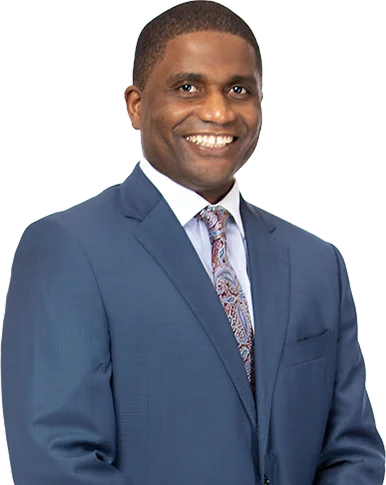
Attorney Henri O. Harmon can also attend the EUO with the client. During the examination, he can address improper questions and protect the record. Our existing EUO guidance identifies policy review, document gathering, preparation, and representation at the examination as distinct stages of the process.
Mr. Harmon has approximately 20 years of litigation experience, including property insurance coverage disputes and complex commercial matters.
For a fuller discussion of legal representation, visit our Do I Need a Lawyer for an Examination Under Oath? page.
Prepare Before You Give Sworn Testimony
An Examination Under Oath is not the time to begin learning what is in your insurance claim.
Preparation gives you an opportunity to review the demand, understand relevant policy requirements, organize requested documentation, refresh your recollection, and become familiar with the process before the insurance company’s attorney begins asking questions.
The goal is straightforward: provide truthful, accurate testimony based on what you actually know.
We represent policyholders facing Examination Under Oath demands throughout Michigan. Our office is located in Southfield, Michigan.
We offer a free, confidential EUO consultation. If you have received an Examination Under Oath letter, we can review the demand, discuss your insurance claim, and help you prepare before you testify.
Contact us today to schedule your free, confidential EUO consultation with Attorney Henri O. Harmon.