A significant commercial property insurance claim can involve extensive documentation, substantial repair costs, business records, and detailed questions about the cause and amount of the loss. When an insurance company decides it needs sworn testimony before making a coverage decision, it may require the policyholder to participate in an Examination Under Oath.
We represent Michigan commercial property owners and policyholders facing Examination Under Oath demands from insurance companies. We help clients understand why the EUO has been requested, review the insurance policy and claim materials, organize relevant documentation, prepare for questioning, and provide legal representation during the examination.
Commercial property EUOs can be particularly document-intensive. An insurer may already have estimates, photographs, ownership records, claim correspondence, and other materials when its attorney begins questioning the policyholder. The answers given during the examination are under oath and become part of the claim file.
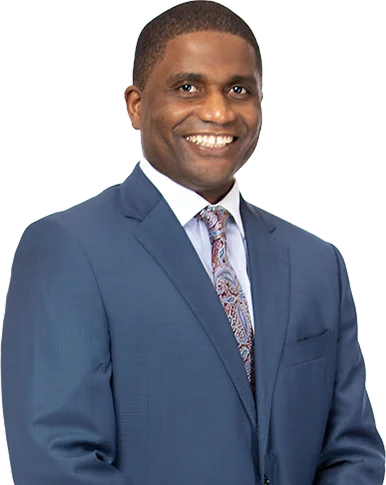
Attorney Henri O. Harmon has approximately 20 years of litigation experience, including insurance coverage disputes and complex commercial litigation. His background handling sophisticated business disputes gives us valuable experience when representing commercial policyholders during formal insurance examinations.
If your company or commercial property has become the subject of an EUO request, we can help you prepare before sworn testimony is given.

Why Do Insurers Request EUOs in Commercial Property Claims?
An Examination Under Oath, commonly called an EUO, is an investigative procedure authorized by provisions commonly contained in property insurance policies.
The insurer may request an EUO when it wants additional information about a claim before determining whether coverage applies or how much it will pay.
A commercial EUO request does not automatically mean the insurance company has concluded that the claim is invalid. It does mean the insurer wants a more detailed investigation and is requiring sworn answers from the policyholder.
Depending on the particular claim, the insurer may be investigating:
- The cause and circumstances of the property loss
- The condition of the property before the reported damage
- Ownership of the building or other property included in the claim
- Repair estimates and the amount of the claimed loss
- Business property or inventory included in the claim
- Previous losses or insurance claims
- Differences between estimates or other claim documents
- Information previously provided to the insurance company
The issues can vary significantly between claims. We review the actual EUO demand and available claim file to identify what may be driving the insurer’s investigation.
What Happens During a Commercial Property Insurance EUO?
An EUO is not an ordinary meeting with a claims adjuster.
The policyholder provides testimony under oath. An attorney representing the insurance company typically conducts the questioning, and a court reporter records the examination. The testimony is transcribed and becomes part of the insurer’s claim file.
Depending on the complexity of the commercial loss, the examination can involve detailed questions about both the property and the documentation supporting the claim.
The insurer’s attorney may refer to documents while questioning the policyholder. Statements made during the EUO may be compared with information previously provided through claim forms, estimates, correspondence, or other records.
That makes preparation especially important when a commercial claim involves a large amount of documentation.
We work with clients before the examination to understand what has already been submitted, what additional information the insurer has requested, and which areas are likely to receive attention during sworn testimony.
Who May Be Examined in a Commercial Property Claim?
Commercial property can be owned and insured through different types of business entities. As a result, an EUO involving a commercial claim can present questions about who has the knowledge necessary to respond to the insurer’s demand.
The EUO request itself and the applicable insurance policy are important in determining who is being required to appear.
A business owner should not simply assume that a property manager, employee, contractor, accountant, or another person can appear instead of the individual or representative identified in the insurer’s demand.
Likewise, the person providing testimony may not personally know every fact concerning a commercial property or business operation.
That distinction matters during an EUO. A witness should testify truthfully about what they actually know rather than speculate about information handled by another employee, contractor, or professional.
When questions exist about who is expected to participate, we review the demand and relevant policy language with our client before the examination.
Commercial Property Damage and Repair Estimates
The amount of a commercial property loss can become a major focus of an insurer’s investigation.
A claim may include estimates from contractors, engineers, restoration companies, or other professionals. The insurance company may also have its own inspection findings or estimates.
When the amounts differ, the insurer may use an EUO to obtain additional information about the claim.
Questions may address how estimates were obtained, what repairs are considered necessary, what work has already been completed, and what information was used to calculate the amount being requested.
The policyholder may also be questioned about documents submitted by other people involved in the claim.
We review relevant materials with our clients before the EUO so they are familiar with the information that may become the subject of questioning. That does not mean a business owner should attempt to provide technical answers outside their personal knowledge. Accurate testimony includes being clear about what the witness does and does not know.
Business Property, Equipment, and Inventory Claims
Commercial property claims are not always limited to damage to a building.
Depending on the applicable policy and loss, a claim may involve equipment, inventory, or other business property. These portions of a claim can generate additional documentation and questioning during an EUO.
The insurer may seek information about ownership, the property’s condition before the loss, its location, and the records supporting the claimed amount.
When a claim involves numerous items, accurate documentation can become particularly important.
An EUO may give the insurer’s attorney an opportunity to question the policyholder about inventories or other records already submitted. We prepare clients by reviewing relevant claim materials and identifying issues that may require explanation during the examination.
Fire, Water, and Storm Damage to Commercial Property
Different types of commercial property losses can result in an Examination Under Oath.
Our EUO practice includes insurance claims involving fire damage, water damage, storm damage, and other property losses addressed by the applicable insurance policy.
The type of damage often influences the insurer’s questions.
Commercial Fire Damage Claims
A major fire can generate extensive property damage and a substantial insurance investigation. The insurer may seek testimony concerning the events surrounding the fire, the property’s condition, the damaged property, repair or replacement costs, and documentation supporting the claim.
Commercial Water Damage Claims
Water damage can result in questions about when the problem began or was discovered, which portions of the property were affected, and what steps were taken after the damage became known.
The specific cause and available coverage depend on the facts and policy language.
Commercial Storm Damage Claims
Storm-related claims may involve questions about when damage occurred, the condition of the building before the event, the areas affected, inspections, and repair estimates.
We do not assume that a particular type of property damage is covered. Coverage depends on the applicable insurance contract and circumstances of the loss.
Why Documentation Matters in a Commercial Property EUO
Commercial insurance claims can generate significant volumes of records.
An EUO demand may also include specific document requests. Depending on the claim, an insurer may seek photographs, estimates, ownership information, prior insurance records, documentation concerning damaged property, and other materials relevant to its investigation.
These requests should be reviewed carefully.
Documents can become particularly important during the EUO because the insurer’s attorney may question a business owner or representative directly about information contained in them.
We help clients identify and review relevant records before testimony is given. Our goal is to make sure the client understands the materials connected to the claim and can distinguish between documents they personally prepared and information supplied by others.

Does a Commercial Policyholder Have to Attend an EUO?
Commercial property insurance policies commonly contain cooperation requirements establishing duties that an insured must fulfill during the investigation of a loss.
Those requirements can include submitting to an Examination Under Oath.
Failure to comply with applicable cooperation provisions can jeopardize coverage. A commercial policyholder should therefore not ignore an EUO demand or simply decide not to participate.
That does not mean the business has to respond without first understanding the request.
We review the EUO letter, relevant policy provisions, and document demands with our clients. If there are questions about scheduling, who must appear, or what information has been requested, those issues should be addressed before the examination rather than left unresolved.
How We Prepare Businesses for a Commercial Property EUO
Commercial EUO preparation begins with the individual claim, not a standard list of sample questions.
We review the insurer’s demand and available materials related to the loss. Depending on the matter, that may include the policy, claim correspondence, estimates, photographs, inventories, prior claim information, and other documentation.
We then identify the areas likely to require particular attention during testimony.
Preparation may include discussing:
- The chronology of the reported loss
- The witness’s personal knowledge of the property and damage
- Documents already provided to the insurer
- The basis for amounts included in the claim
- Information provided by contractors or other third parties
- The mechanics of answering questions under oath
Policyholders must answer questions truthfully based on their own knowledge.
Preparation helps a witness understand the difference between providing a precise answer and guessing about information they do not know.
Why Legal Representation Matters in a Commercial Property EUO
The attorney conducting an Examination Under Oath represents the insurance company.
We represent the commercial policyholder.
Attorney Henri O. Harmon can prepare the client before the EUO and attend the examination. During questioning, he can address improper questions, protect the client’s interests, and preserve the record.
That representation can be particularly valuable when an EUO involves extensive business records, substantial claimed losses, or complicated factual issues.
The policyholder still has an obligation to provide truthful answers to appropriate questions. Having counsel present means the business also has an attorney protecting its interests during a formal proceeding conducted as part of the insurer’s investigation.
Henri O. Harmon’s Commercial Litigation Experience
Commercial property EUOs sit at the intersection of insurance coverage, documentary evidence, business issues, and sworn testimony. Mr. Harmon’s professional background includes experience in each of these areas.
Attorney Henri O. Harmon has approximately 20 years of litigation experience. His practice includes property insurance coverage, Examinations Under Oath, breach of contract, and business and organizational disputes.
He began his career at a large corporate defense firm in downtown Detroit, litigating high-stakes business disputes for major corporate clients. His experience there gave him firsthand knowledge of how institutions and legal teams prepare for examinations and sworn testimony.
Mr. Harmon has handled multi-state class actions, multi-district litigation, and complex commercial disputes. He has litigated in state and federal courts across Michigan, Texas, New York, Colorado, Illinois, and California and is a member of the Multi-Million Dollar Advocates Forum.
We bring that litigation experience to the representation of commercial policyholders facing EUO demands.
What Happens After a Commercial Property EUO?
After the examination, the insurer can review the transcript along with the other information gathered during its investigation.
The insurance company may request additional information or make a coverage decision. Depending on the policy, facts, and results of the investigation, the claim may be paid, delayed, disputed, or denied.
The testimony provided during the EUO remains part of the claim file. If a coverage dispute later develops into litigation, that sworn testimony may become relevant.
For that reason, businesses should consider legal representation when the EUO is requested, rather than waiting until after testimony has already been provided and a coverage dispute has developed.
Talk to a Michigan Commercial Property EUO Lawyer
If your insurance company has requested an Examination Under Oath concerning a commercial property claim, take the request seriously.
We represent policyholders facing EUO demands throughout Michigan. Our office is located in Southfield, Michigan.
We offer free, confidential EUO consultations. We can review the insurer’s demand, discuss the commercial property claim, explain what the insurance company is requesting, and help prepare you for the examination before sworn testimony is given.
Contact us today to schedule a free confidential EUO consultation with Attorney Henri O. Harmon.