
Receiving an Examination Under Oath letter from an insurance company can create a lot of questions. What is an EUO? Why did the insurer request one? Do you have to attend? What will you be asked? Can an attorney come with you? What happens to the insurance claim afterward?
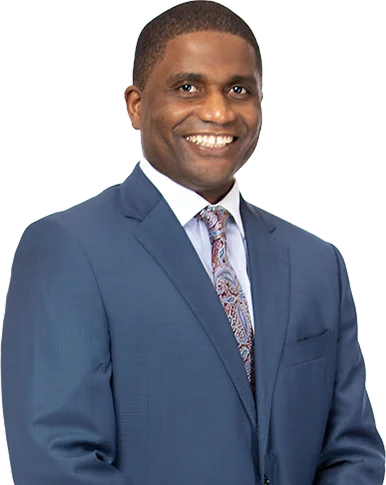
We represent policyholders facing Examination Under Oath demands in Michigan property insurance claims. Attorney Henri O. Harmon has approximately 20 years of litigation experience, including property insurance coverage disputes, and helps policyholders prepare for and navigate the EUO process.
Below, we answer common questions about Examinations Under Oath and what policyholders can expect after receiving an EUO demand.
1.What Is an Examination Under Oath?
An Examination Under Oath, commonly abbreviated as EUO, is a formal interview conducted as part of an insurance company’s investigation of a claim.
The policyholder answers questions under oath, typically from an attorney representing the insurance company. A court reporter records the testimony, and the answers are transcribed into a sworn record that becomes part of the claim file.
An EUO is considerably more formal than an ordinary conversation with an insurance adjuster.
2. Why Did My Insurance Company Request an EUO?
Insurance companies can request EUOs when they want additional information before making a coverage decision.
The reason varies by claim. The insurer may be investigating coverage, inconsistencies in claim information, differences in damage estimates, previous insurance claims, or missing documentation.
Receiving an EUO request does not automatically mean you have been accused of fraud or that your claim will be denied. Legitimate claims may involve EUOs because of the size or circumstances of the loss.
We review the individual claim to help determine what issues may be driving the insurer’s request.
3. Is an EUO the Same as a Recorded Statement?
No.
A recorded statement is generally less formal and may be conducted by an insurance adjuster earlier in the claim. It typically focuses on basic information about the loss.
An EUO is formal sworn testimony. It is generally conducted with attorneys present and recorded by a court reporter. Questions can also extend beyond the immediate circumstances of the loss into subjects such as prior claims, ownership records, and finances.
A policyholder who previously gave a recorded statement may still receive a separate EUO request.
4. Is an Examination Under Oath the Same as a Deposition?
No, although the two have similarities.
Both involve sworn testimony recorded by a court reporter. The major difference is when and why they occur.
An EUO takes place as part of the insurance company’s claim investigation, before a lawsuit necessarily exists. A deposition occurs during litigation after a lawsuit has been filed.
5. Do I Have to Attend an Examination Under Oath?
Property insurance policies commonly require policyholders to cooperate with the insurance company’s investigation. That obligation can include submitting to an EUO when requested.
The requirement generally comes from the insurance contract itself, often through a cooperation provision or a section addressing the policyholder’s duties after a loss.
Because the exact obligations depend on the applicable policy and circumstances, we review the EUO demand and policy language with our clients before advising them how to respond.
6. Can I Refuse an Examination Under Oath?
Simply refusing to participate can put an insurance claim at serious risk.
Michigan courts generally treat compliance with cooperation requirements as important to coverage. Refusing to attend an EUO or refusing to answer material questions can provide grounds for denial.
If you have concerns about an EUO request, the better course is to have the demand reviewed rather than ignore it.
7. What Happens If I Miss My EUO?
Missing a scheduled EUO without a valid reason can be treated as a failure to cooperate and may jeopardize the insurance claim.
If you cannot attend on the date requested by the insurer, the demand should be addressed rather than ignored. An attorney can help request a reasonable accommodation when appropriate.
8. Who Asks the Questions During an EUO?
An attorney representing the insurance company typically conducts the examination.
The attorney asks questions about the claim and other matters considered relevant to the insurer’s investigation. A court reporter records the policyholder’s answers.
It is important to remember that the attorney conducting the examination represents the insurance company. That attorney does not represent the policyholder.
9. What Questions Will the Insurance Company Ask?
- How and when the loss occurred
- The condition of the property
- Ownership of damaged property
- Repair estimates and the amount claimed
- Prior insurance claims
- Documents provided to the insurer
- Financial information when relevant to the investigation
10. Can the Insurance Company Ask About My Finances?
Financial information can become part of an EUO depending on what the insurer is investigating.
The existing EUO guidance specifically identifies requests for financial records, tax returns, or bank statements as circumstances in which a policyholder should consider involving an attorney before responding.
The scope of any particular request depends on the policy and claim. If your EUO letter contains demands for financial records, we can review those requests with you before the examination.
11. Can the Insurer Ask About My Previous Insurance Claims?
Yes. Prior claim history can be relevant to an insurer’s investigation.
An insurance company may examine previous claims involving the same property or other circumstances it considers relevant to the current loss. A history of claims on the same property is one of the factors that can lead to closer scrutiny.
Policyholders should answer questions truthfully and should not guess when they do not remember specific details.
12. Do I Have to Provide Documents Before My EUO?
Your EUO letter may contain document requests in addition to scheduling the examination.
Depending on the claim, requested materials may include proof of ownership, repair estimates, photographs, or prior insurance information.
The documents an insurer is entitled to request depend on the applicable policy and circumstances. We review document demands with our clients before the EUO and help them understand what the insurer is seeking.
13. What Should I Bring to an Examination Under Oath?
What is needed will depend on the insurer’s demand and the particular claim.
The EUO letter may identify documents the insurer wants produced before or during the examination. Preparation can also involve reviewing relevant photographs, estimates, ownership information, prior claim records, and other materials connected to the loss.
We help clients determine what documentation is relevant rather than relying on a generic packing list for every EUO.
14. How Should I Prepare for an EUO?
Preparation should begin with the actual insurance claim.
We review the policy, EUO demand, available claim history, communications with the insurer, and relevant documentation. We then discuss the areas of questioning that are likely to arise and explain how the examination works.
The goal is not to memorize answers or create scripted testimony.
Policyholders must answer questions truthfully. Preparation helps a client review relevant information, understand what is being asked, answer clearly, and avoid guessing or unnecessarily volunteering information beyond the question.
15. Should I Review My Insurance Claim Before the EUO?
Yes.
The insurance company’s attorney may have access to documents and information previously submitted during the claim. Reviewing relevant claim materials beforehand can help refresh your recollection and make you familiar with information that may become the subject of questioning.
16. What If I Do Not Remember the Answer to a Question?
Do not guess.
Sworn testimony should reflect what you actually know and remember. If you genuinely do not know or cannot remember something, an inaccurate guess can create unnecessary inconsistencies in the record.
Preparation can help refresh your recollection by reviewing claim records.
17. Can I Have a Lawyer With Me During an Examination Under Oath?
Yes. A policyholder can have an attorney present during an EUO.
Attorney Henri O. Harmon prepares policyholders before their examinations and can attend the EUO. During the examination, counsel can address improper questions and protect the record.
Having your own attorney is also important because the lawyer conducting the examination represents the insurance company, not you.
18. Do I Need a Lawyer for an EUO?
Legal representation can be particularly valuable because an EUO occurs while the insurance company is still investigating the claim and before the policyholder knows what the final coverage decision will be.
Once testimony is given, it becomes part of the claim file. Waiting until after a denial means the examination has already occurred and the sworn record already exists.
We therefore encourage policyholders to speak with an attorney before the EUO rather than waiting for the insurance company to make its decision.
19. Can My EUO Testimony Be Used Against Me Later?
Yes.
EUO testimony becomes part of the insurance claim file and can be used if the claim is later denied and litigation follows.
That is one of the main reasons an EUO should not be treated like an informal conversation with an adjuster.
20. Can an EUO Cause My Insurance Claim to Be Denied?
The mere fact that an insurer requests an EUO does not mean the claim will be denied.
However, what occurs during the EUO can affect the insurer’s coverage investigation. Failure to cooperate can also create grounds for denial under applicable policy requirements.
The safest approach is to take the demand seriously, comply with applicable obligations, and prepare before providing sworn testimony.
21. How Long Does an Examination Under Oath Take?
There is no fixed length for every EUO.
The amount of time depends on the complexity of the claim, the subjects being investigated, and the amount of information involved. The existing EUO guidance notes that an examination can last several hours.
Preparation typically begins as soon as the EUO letter is received and continues through the examination date.
22. What Happens After the Examination Under Oath?
After the EUO, the insurance company reviews the testimony along with the rest of the claim file.
The insurer may pay the claim, request additional information, continue its investigation, delay its decision, or issue a denial that may be challenged.
An attorney can also help address follow-up requests or issues that arise after the examination.
23. What Types of Insurance Claims Can Involve an EUO?
Our practice focuses on Examinations Under Oath involving property insurance claims.
The claim types identified for our EUO practice include homeowners insurance, condo insurance, renters insurance, landlord insurance, mobile home insurance, vacation home insurance, commercial property insurance, and business interruption claims.
EUOs can also arise in connection with property losses involving fire, water, storm, and other forms of property damage addressed by the applicable insurance policy.
24. How Much Does It Cost to Speak With Henri O. Harmon About an EUO?
We offer a free, confidential consultation to review an EUO letter and claim before fees are discussed. This gives policyholders an opportunity to understand the request and their options before deciding how to proceed.
25. Why Choose Henri O. Harmon for an Examination Under Oath?
Attorney Henri O. Harmon has approximately 20 years of litigation experience. His practice includes property insurance coverage, Examinations Under Oath, breach of contract, and complex business disputes.
He graduated cum laude from Michigan State University College of Law and completed the Trial Practice Institute. Mr. Harmon began his career at a large corporate defense firm in Detroit, where he handled high-stakes business disputes.
His experience includes state and federal litigation across Michigan, Texas, New York, Colorado, Illinois, and California. He is a member of the Multi-Million Dollar Advocates Forum.
Our clients work directly with Mr. Harmon throughout the EUO process.
26. Have Another Question About Your Michigan EUO?
Every Examination Under Oath is tied to a specific insurance policy, property loss, and claim investigation. General information can help you understand the process, but it cannot tell you exactly why your insurer requested an EUO or what issues may arise in your examination.
We represent policyholders throughout Michigan, with our office located in Southfield, Michigan.
If you received an EUO letter, we offer a free, confidential consultation to review the demand, discuss your insurance claim, and explain what to expect before you provide sworn testimony.
Contact us today to schedule your free confidential EUO consultation with Attorney Henri O. Harmon.