You are not required to face an insurance company’s Examination Under Oath without your own legal representation.
An EUO is formal sworn testimony taken while the insurer is investigating your property insurance claim. The attorney conducting the examination represents the insurance company, not you. Your answers become part of the claim file and may remain important if the insurer later disputes or denies coverage.
That does not mean every EUO automatically requires the same level of legal involvement. The circumstances of the claim matter. However, policyholders should seriously consider speaking with an attorney before an EUO when the claim is substantial, the insurer is requesting extensive records, there are questions about coverage or prior statements, or the policyholder simply does not understand why the examination has been requested.
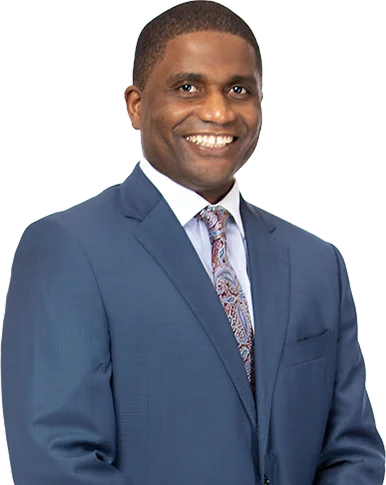
We represent Michigan policyholders facing Examination Under Oath demands. Attorney Henri O. Harmon can review the claim before the examination, prepare the policyholder for sworn testimony, and attend the EUO to protect the client’s interests.

Can You Have a Lawyer at an Examination Under Oath?
Yes. A policyholder can have an attorney present during an Examination Under Oath.
Our existing Michigan EUO guidance specifically explains that Attorney Henri O. Harmon can attend the examination, address improper questions, and protect the record while the policyholder provides sworn testimony.
Having your own lawyer present is different from relying on the attorney who conducts the examination.
The insurance company’s attorney represents the insurer. That attorney’s role is to question you and obtain information for the company’s investigation.
Your attorney represents you.
That distinction is important even when everyone involved in the examination is professional and the questioning remains civil.
When Should You Consider Hiring an EUO Lawyer?
There is no single fact that determines whether a policyholder should retain counsel. Some circumstances, however, make legal representation particularly worth considering.
Our existing EUO guidance recommends considering legal representation when:
- The insurance company has requested an EUO
- The claim involves a significant fire or other substantial loss
- The insurer is requesting bank statements, tax returns, or other financial information
- The claim has been pending for an extended period
- The insurer has suggested fraud or misrepresentation
- The policyholder has already given a recorded statement
- The policyholder is concerned that something previously said may have been inaccurate
These circumstances are identified in the firm’s existing EUO materials as situations in which speaking with an attorney before the examination may be appropriate.
You do not necessarily need to wait for one of these problems to arise. If you do not understand the demand or are uncomfortable providing sworn testimony without independent advice, you can have the request reviewed before deciding how to proceed.
Why Hire an Attorney Before the EUO Instead of Afterward?
Timing is one of the strongest reasons to consider legal representation early.
The insurance company has not necessarily made its final coverage decision when it requests an EUO. It is still investigating the claim.
That means the policyholder is providing sworn testimony while the insurer is deciding what to do.
Once the examination has occurred, the answers are already part of the record. Hiring an attorney after a denial can help you evaluate the insurer’s decision, but it cannot undo testimony that has already been provided.
Our existing guidance makes this point directly: waiting until after a denial means the insurer has already obtained the policyholder’s sworn testimony without counsel being involved in preparation or the examination.
Getting legal advice before the EUO gives an attorney an opportunity to address issues while preparation can still make a difference.
What Does an EUO Lawyer Do Before the Examination?
Much of an attorney’s work occurs before anyone goes on the record.
When we represent a policyholder facing an EUO, we begin by understanding the actual insurance claim rather than relying on a generic list of examination questions.
Depending on the matter, that can involve reviewing the EUO demand, available insurance policy, claim history, correspondence with the insurer, and relevant documents.
Our existing EUO process specifically identifies attorney review of the policy, claim history, and insurer correspondence as an early stage of representation.
This review can help identify what the insurance company may be investigating and what issues are likely to matter during the examination.
An Attorney Can Review the EUO Demand
The insurer’s letter is an important starting point.
An EUO demand may identify the examination date and include requests for documents. Before responding, counsel can review what the insurance company is asking the policyholder to do.
This can be particularly useful if there are questions concerning scheduling, the scope of requested records, or other aspects of the demand.
An attorney can also review the applicable policy provisions to understand the insured’s contractual obligations.
The goal is not to obstruct a legitimate insurance investigation. It is to understand the request and respond appropriately.
An Attorney Can Help Review Requested Documents
EUO demands can include document requests.
Depending on the claim, the insurer may seek photographs, repair estimates, proof of ownership, prior insurance information, or other records related to the loss.
Some claims can involve considerably more extensive documentation.
An attorney can review what has been requested and help the policyholder understand how those materials relate to the examination.
This becomes particularly important when the demand seeks sensitive information, including financial records.
What If the Insurance Company Wants Financial Records?
Requests for bank statements, tax returns, or other financial information deserve careful attention.
Our existing EUO guidance specifically identifies demands for financial records as a reason to consider contacting an attorney before responding.
Whether particular records must be provided depends on the applicable insurance policy, the claim, and the circumstances of the insurer’s investigation.
A policyholder should not automatically assume that every request must be rejected. Nor should the policyholder assume that every document requested should be produced without review.
Counsel can evaluate the request in the context of the actual claim.
An EUO Lawyer Can Prepare You for Sworn Questioning
Preparation is not coaching a policyholder to give predetermined answers.
Preparation involves reviewing relevant information, explaining how the examination works, discussing subjects likely to arise, and helping the policyholder understand how to provide truthful and precise testimony.
Our existing EUO guidance describes this preparation as reviewing likely lines of questioning and explaining how to answer clearly and truthfully.
A policyholder should know that it is appropriate to say they do not know something when that is truthful. They should not guess merely because an attorney has asked a question under oath.
For a detailed preparation checklist, see our How to Prepare for Your Examination Under Oath resource.
What Does Your Attorney Do During the EUO?
During the examination, the policyholder remains responsible for answering appropriate questions truthfully.
Your attorney does not testify for you.
Counsel’s role is to represent your interests while the insurer’s attorney conducts the examination.
Attorney Henri O. Harmon can attend the EUO, address improper questions, and protect the record.
Having an attorney present can also help when an unexpected issue develops during questioning.
Without your own counsel, you may have to decide how to respond to that issue while you are already under oath.
Can an Attorney Stop the Insurance Company From Asking Difficult Questions?
Hiring a lawyer does not give a policyholder the right to avoid legitimate questions.
An EUO exists so the insurance company can obtain information relevant to its investigation, subject to the applicable insurance policy and law.
The policyholder still needs to provide truthful answers to appropriate questions.
The value of representation is not that an attorney makes difficult questions disappear. It is that someone is present whose professional responsibility is to represent the policyholder’s interests and address legal issues that arise during the examination.

Do I Need a Lawyer If My Claim Is Completely Legitimate?
A legitimate insurance claim can still involve an Examination Under Oath.
Our existing Michigan EUO guidance expressly notes that an EUO request does not automatically mean the insurer believes the policyholder committed fraud. Legitimate claims can trigger examinations because of their size, complexity, or circumstances.
Having nothing to hide is not the same as having nothing to prepare for.
You may still be asked detailed questions about dates, documents, estimates, ownership, prior claims, property conditions, or other subjects.
Legal representation can be useful because the testimony is formal and because the insurer is still evaluating the claim.
What If I Already Gave the Insurance Company a Recorded Statement?
Providing a recorded statement does not necessarily eliminate the need for an EUO.
The two procedures are different.
Our existing guidance explains that recorded statements are generally less formal and commonly conducted by adjusters, while EUOs involve sworn testimony and can address broader subjects.
If you have already given a recorded statement, reviewing it before an EUO may be particularly important.
The insurer may compare information provided earlier with answers given under oath. If you are concerned about something you previously said, discuss the issue with counsel before the examination rather than attempting to improvise an explanation while testifying.
What If I Think I Made a Mistake Earlier in My Claim?
Do not attempt to conceal it.
Property claims can involve many communications over an extended period. A policyholder may later realize that a date, amount, description, or other detail provided earlier was inaccurate.
That does not mean you should create a new explanation designed merely to make the record appear consistent.
An attorney can review the issue and help you understand how to approach the examination truthfully.
Accuracy matters more than trying to make every statement sound identical.
Should I Hire a Lawyer If I Am Thinking About Refusing the EUO?
This is a situation where obtaining legal advice before acting can be especially important.
Property insurance policies commonly impose cooperation obligations, and refusing a required Examination Under Oath can jeopardize coverage.
Our existing Michigan EUO guidance explains that refusing to attend or refusing to answer material questions can provide grounds for a denial.
There may be legitimate issues concerning scheduling, particular document requests, or the scope of questioning. Those issues should be evaluated rather than converted into a blanket refusal without understanding the consequences.
Our Can You Refuse an Examination Under Oath? guide addresses this issue separately.
Does Hiring an EUO Lawyer Mean I Am Suing the Insurance Company?
No.
Hiring an attorney for an Examination Under Oath does not mean you have filed a lawsuit or decided to sue your insurer.
An EUO generally occurs before litigation, while the insurance company is still investigating the claim.
Counsel can become involved solely to help you navigate that investigation.
The claim may ultimately be paid without litigation. If a dispute later develops, the appropriate next steps depend on the policy, insurer’s decision, and circumstances.
How Do I Choose an Attorney for an EUO?
An EUO involves insurance coverage issues and sworn testimony. Experience with both can matter.
Before hiring counsel, consider whether the attorney:
- Handles property insurance coverage matters
- Has experience with Examinations Under Oath
- Will personally prepare you for the examination
- Can attend the EUO with you
- Has litigation experience if the coverage dispute continues
- Clearly explains what representation will involve
You should also know who will actually handle the matter.
At our firm, clients work directly with Attorney Henri O. Harmon rather than being passed among multiple case managers.
Why Work With Henri O. Harmon for an EUO?
Attorney Henri O. Harmon has approximately 20 years of litigation experience. His practice includes property insurance coverage, Examinations Under Oath, breach of contract, and complex business disputes.
Mr. Harmon graduated cum laude from Michigan State University College of Law and completed the Trial Practice Institute. He began his career at a large corporate defense firm in downtown Detroit, where he litigated high-stakes business disputes.
He has litigated in state and federal courts across Michigan, Maryland, Texas, New York, Colorado, Illinois, and California and is a member of the Multi-Million Dollar Advocate Forum.
That background is relevant to EUO representation because the process involves understanding insurance coverage issues, preparing a client for detailed questioning, and protecting the record if a dispute later develops.
Talk to a Michigan EUO Lawyer Before You Testify
You do not have to wait until your insurance company denies the claim to speak with an attorney.
By then, your Examination Under Oath may already be complete and your sworn testimony may already be part of the insurer’s claim file.
If you have received an EUO demand, we can review the request, discuss the insurance claim, explain what representation would involve, and help you determine the appropriate next steps.
We represent policyholders throughout Michigan, with our office in Southfield, Michigan.
We offer a free, confidential EUO consultation.
Contact us today to schedule your free, confidential Examination Under Oath consultation with Attorney Henri O. Harmon.